

Tech Earnings Season Opens: AI ROI Becomes Market Focus
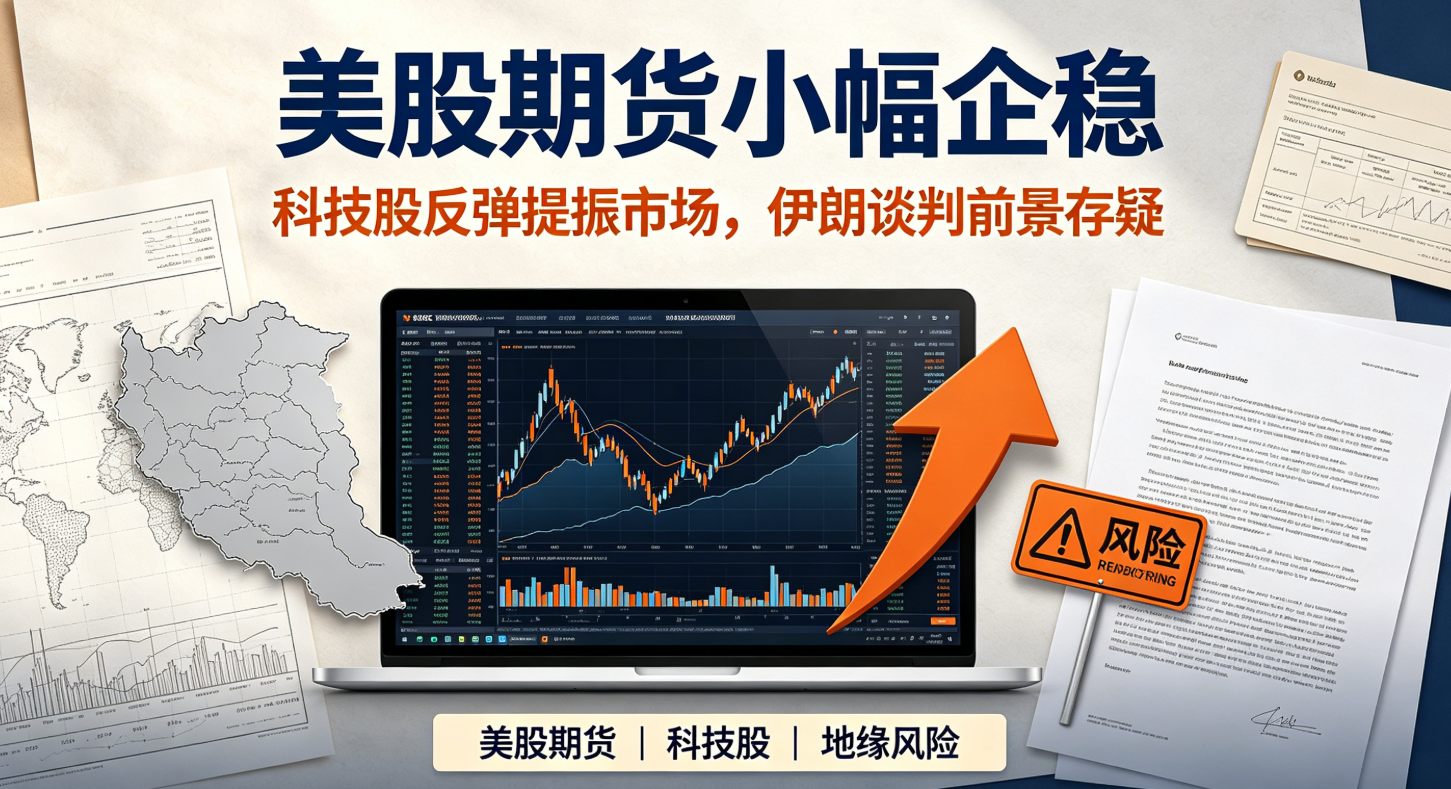
On July 26, 2026, as tech titans Google parent Alphabet, Microsoft, Nvidia successively release Q2 2026 results, the US stock market enters a new performance verification period. Wall Street analysts widely believe the core theme has shifted from "AI concept" to "AI return on investment," with markets applying stricter yardsticks to measure whether heavy AI spending can translate into real profits.
Alphabet: Strong Revenue Growth, AI Ads Lift Contribution
Alphabet reported Q2 revenue of $92 billion, up 12% YoY, beating expectations of $90.5 billion. Google search ad revenue grew 8%, while AI-driven ad services (e.g., Performance Max, conversational ads) contributed about 15% of search ad growth. Google Cloud revenue surged 28% to $14.5 billion, driven by AI infrastructure and generative AI services (e.g., Vertex AI) with 40% QoQ adoption growth.
However, market remains wary of Alphabet's capex. Q2 capex reached $23 billion, mainly for AI data centers. CFO stated full-year 2026 capex to exceed $90 billion, slightly above prior guidance. While Wall Street is optimistic on long-term AI prospects, some investors fear rapid capex may squeeze near-term margins.
Microsoft: Cloud Growth Slows, Market Eyes AI Monetization
Microsoft reported Q2 revenue up 14% YoY to $68 billion, with Azure cloud revenue growing 27%, missing the 30% expectation—Azure's third consecutive slowdown. CFO attributed this to "customer cloud optimization" and "slower-than-expected AI workload migration."
Despite massive AI investments (Q2 capex $18 billion), Copilot's monetization progress hasn't fully convinced investors. CEO Satya Nadella emphasized AI as an "enhancement" rather than disruption, expecting AI-related revenue to ramp up in FY2027. Yet Wall Street wants clearer near-term returns. After earnings, Microsoft shares fell 1.8% in after-hours trading.
Nvidia: AI Chip Demand Still Strong, but Competition Intensifies
As core AI infrastructure supplier, Nvidia reported Q2 revenue up 98% YoY to $32 billion, beating expectations. Data center revenue surged 110%, driven by large language model training and inference. CEO Jensen Huang said Blackwell GPU orders are booked through Q1 2027, with enterprise AI deployment wave continuing.
However, market sensitivity to rivals is rising. AMD's MI400 series AI chips secured orders from multiple cloud providers in Q2, while Google and Amazon accelerate proprietary AI chip development. Nvidia shares edged up 0.5% after-hours, but investor concerns about maintaining high market share are growing.
Industry Analysis: AI ROI Becoming New Valuation Anchor
Shift from Customer Acquisition to Retention
Morgan Stanley's tech analyst notes AI ecosystem is moving from exploration (customer acquisition) to growth (customer retention and monetization). Now markets focus more on whether AI products deliver tangible cost savings and efficiency gains. For instance, Microsoft Copilot's enterprise renewal rate remains above 85%, but some customers report less depth than expected, delaying expansion.
Meanwhile, Wall Street is adjusting AI valuation models. Over the past two years, investors paid high premiums for AI concepts, but with rising capex, markets now demand faster, clearer return paths. Goldman Sachs shows average PEG for AI-listed firms rose from 1.8x in 2024 to 2.3x now, indicating more stringent growth sustainability requirements.
US Stock Market Sentiment: Short-Term Volatility, Long-Term Optimism
On July 26, US stocks opened slightly lower (S&P 500 -0.3%, Nasdaq -0.5%) under mixed earnings data. Tech stocks like Microsoft and Google saw modest pullbacks, while Nvidia was relatively resilient. Bond markets saw 10-year Treasury yield hold near 4.15%, reflecting cautious growth outlook.
Still, most institutions believe AI long-term trend remains intact. BlackRock's CIO said: "We are in an adjustment phase of the technology cycle, not a reversal. AI productivity gains will materialize over 3-5 years; short-term earnings volatility is normal." She advises focusing on AI infrastructure, cybersecurity software, and vertical AI applications in healthcare, energy, etc.
Investor Strategy: Focus on AI Application Companies with Moats
Currently, Wall Street recommends shifting investment focus from pure AI chips and cloud infrastructure to AI application firms with significant industry barriers. For example, healthcare AI company Tempus AI (TEMU) saw Q2 revenue up 60%; its AI-based cancer diagnosis platform reaches 40% of top US hospitals. Legal AI startup EvenUp, after Series B funding, is valued at $3.5 billion; its AI contract review tool widely adopted by leading law firms.
Some investors also explore AI-enabled traditional industries. Retailer Walmart improved supply chain via AI, boosting Q2 inventory turnover by 15% and operating margin to 5.8%. Industrial firm Honeywell uses AI preventive maintenance to reduce factory downtime; related revenue grew 22% YoY.
Overall, Q2 2026 earnings season marks a pragmatic phase for AI assessment. Investors no longer settle for "future potential" but demand real returns. For tech companies, balancing capex and profitability will be key to short-term stock performance. Long term, AI's fundamental productivity and business model transformation is unfolding; firms that can first demonstrate AI ROI will ultimately win market favor.