

US-Iran Peace Deal Spawns New Investment Landscape: Hedge Funds Rush into Short-Term US Treasuries and Asian Assets
As the US and Iran are about to sign a historic peace agreement, global financial markets are at a major turning point. This conflict, which lasted months and caused the biggest disruption in global oil supply ever, may finally come to an end, removing the geopolitical fog that has hung over investors' minds. Against this backdrop, many global hedge fund managers are actively repositioning their portfolios, turning their attention to short-term US Treasuries, pressured Asian currencies, and even undervalued assets like instant noodle stocks, hoping to seize the first wave of dividends from the deal.
Short-Term US Treasuries: A Balanced Choice Between Safety and Yield
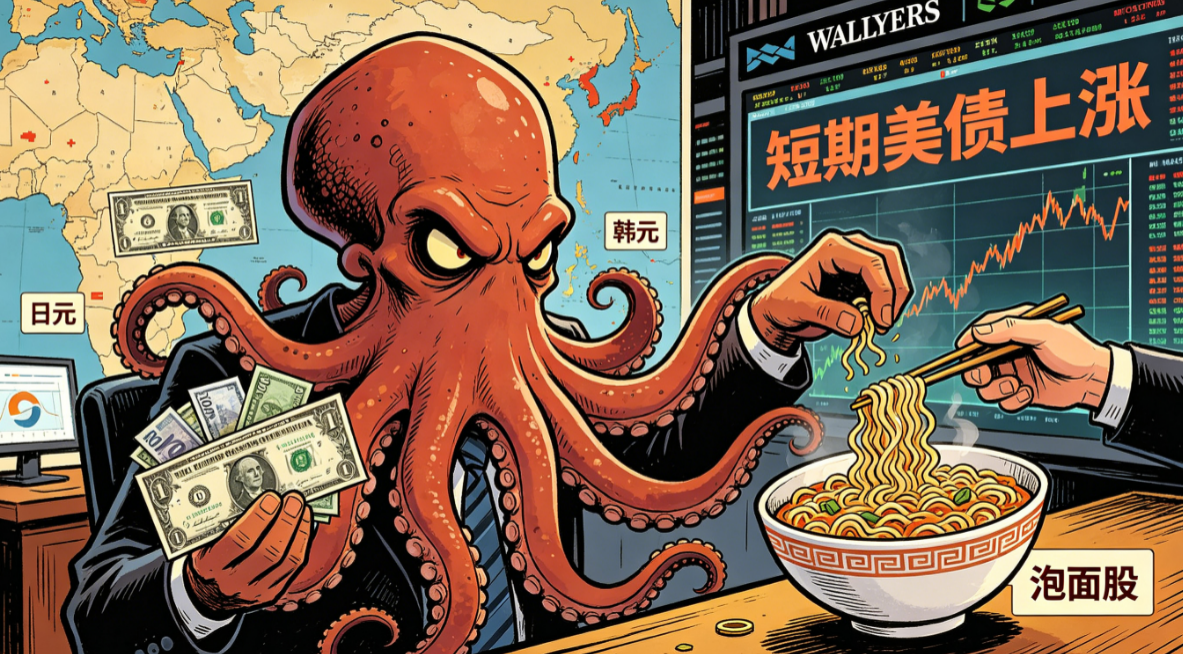
Florida-based Grey Value Management and Singapore's Reed Capital Partners both see value in short-term US Treasuries. As the peace deal pushes crude oil prices lower, market expectations for Fed rate hikes have cooled significantly, leading to a broad rally in the US bond market. Short-term Treasuries not only retain their safe-haven attributes from wartime but also gain price support from lower rate expectations, making them the preferred choice for short-term funds reverting to pre-war strategies. Reed Capital Partners is also actively buying the yen, betting that a rise in global risk appetite after the deal will strengthen the yen.
New York hedge fund Great Hill Capital Chairman Thomas Hayes has chosen a different path—opportunistically buying US consumer stocks. He stated clearly: "With inflation expectations fading due to this agreement, the strategy now is to go back to what worked in January or February, before the war." His firm manages over $10 billion in assets, and this statement undoubtedly injects confidence into the consumer sector.
Asian Currencies and Stock Markets: Value Recovery After Pressure
During the US-Iran war, Asian stock markets were hit hard, mainly because regional economies are largely oil importers. India and Indonesia's benchmark indices are among the worst globally this year, and their currencies have fallen to record lows. However, the peace deal is reversing this trend. Vantage Point Asset Management pointed out that previously pressured Southeast Asian stock markets may outperform as leaders in the rebound.
Chauwei Yak, CEO of Singapore's GAO Capital, finds opportunities from a more micro perspective. He believes some Asian companies will be among the biggest winners of the deal. Companies that might have been hit by oil price shocks, such as instant noodle producers relying on palm oil, now face re-evaluation opportunities. The logic behind instant noodle stocks: falling oil prices ease production cost pressures, while the resilience of Asian consumer markets provides recovery support for these firms.
Deep Changes in Market Structure
Since the war began, the MSCI Asia Pacific Index has risen over 7% overall, but structural divergence is stark—technology is the only sector that has risen, while all other 10 sectors have fallen. This means the peace deal will trigger broader sector rotation. As geopolitical risk premiums fade, funds will flow from overly concentrated tech stocks to previously suppressed sectors like consumer, financials, and industrials.
On a macro level, a weaker US dollar is a trend after the deal, and global safe-haven demand is cooling, creating a favorable external environment for emerging market assets. The combination of short-term Treasuries and Asian currencies essentially captures the dual benefits of lower rate expectations and improved risk appetite.
Conclusion: Fine-Tuned Positioning to Seize Deal Dividends
The US-Iran peace deal will not only reshape Middle East geopolitics but also trigger a rebalancing of global capital allocation. For professional investors, short-term Treasuries offer stable returns, Asian currencies and stock markets have rebound potential, and niche assets like instant noodle stocks may hide excess returns. The key is to identify which assets have been excessively punished during the war and will recover first when peace arrives.
The core of this investment opportunity lies in understanding: the fading of geopolitical risk premiums is often asymmetric—the most battered assets tend to rebound the most. Hedge funds' early positioning is a precise execution of this logic. As the deal is officially signed, global markets will undergo a new round of pricing resets, and investors adept at seizing early opportunities are ready.